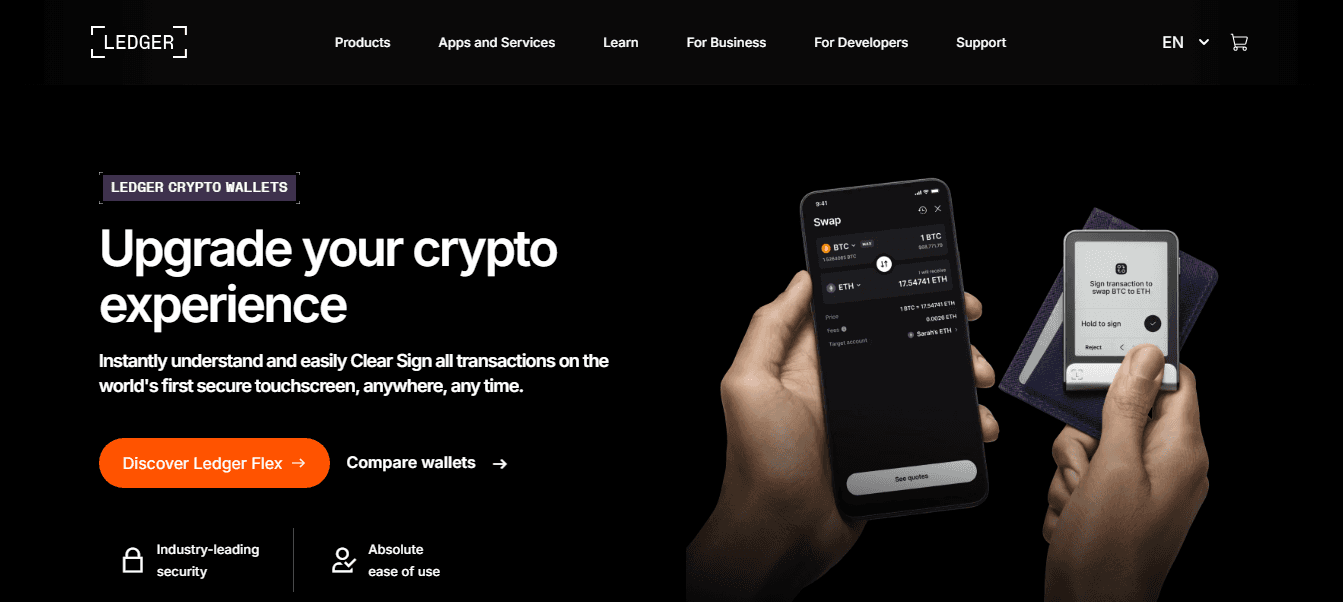
Ledger Live Login: A Complete Guide for Secure Crypto Portfolio Access
Managing cryptocurrencies safely requires more than just a strong password—it demands a secure, reliable platform designed to safeguard your digital assets from evolving online threats. Ledger Live has become one of the most trusted applications for crypto users because it combines hardware-level security with a user-friendly interface. Understanding how the Ledger Live login process works is essential for ensuring both smooth access and maximum protection of your portfolio.
This guide covers everything you need to know about logging into Ledger Live, securing your access, common login issues, and best practices for keeping your crypto safe.
What Is Ledger Live?
Ledger Live is the official portfolio management software that works with Ledger hardware wallets such as the Ledger Nano S Plus, Ledger Nano X, and Ledger Stax. The application allows users to:
View real-time crypto balances
Send and receive cryptocurrencies
Install or uninstall wallet apps
Manage NFTs
Connect with DeFi and staking services
Monitor portfolio growth
Perform firmware updates
The strength of Ledger Live lies in its hybrid security model. While the app itself provides a polished user interface, the sensitive actions—such as signing transactions—are verified on the hardware wallet. This eliminates the risk of phishing or unauthorized access even if your computer is compromised.
Understanding Ledger Live Login
Unlike traditional online platforms, Ledger Live does not use email-and-password login. Instead, access is tied to your physical Ledger device and the PIN you set on it. This approach keeps your private keys offline and significantly reduces the risk of online hacks.
Here’s how Ledger Live login works conceptually:
You open the Ledger Live application on your computer or mobile device.
You connect your Ledger hardware wallet via USB or Bluetooth (depending on device model).
You enter your PIN on your Ledger device—not on your computer.
Ledger Live authenticates the device and grants access to your portfolio.
Because no credentials are stored on the cloud, the only way to access your wallet is through your device. This ensures that even if someone steals your computer, they cannot access your assets.
How to Log Into Ledger Live – Step-by-Step
The login steps may vary slightly depending on whether you are using the desktop or mobile version, but the core process remains the same.
1. Launch Ledger Live
Open the Ledger Live app on your Windows, macOS, Linux, Android, or iOS device. If this is your first time using it, you’ll be guided through the onboarding process, including selecting a password for the app interface.
Note: The password you set is only for locking the Ledger Live app locally; it does not replace the PIN on your Ledger wallet.
2. Connect Your Ledger Device
Depending on your model:
Ledger Nano S Plus: Connect via USB-C
Ledger Nano X: Connect via USB or Bluetooth
Ledger Stax: Connect via USB-C or Bluetooth
Once connected, the device will power on (unless it has a battery like Nano X/Stax).
3. Enter Your PIN on the Ledger Device
The PIN is the primary authentication method for Ledger wallets. You must:
Enter the PIN on the hardware wallet
Verify it physically by pressing the hardware buttons
This step ensures that only someone who physically possesses the device and knows the PIN can log in.
4. Unlock Ledger Live
If you set a password for the Ledger Live application, enter it now. This password protects the interface but does not replace the hardware-level security.
Once unlocked, Ledger Live synchronizes with your accounts and loads your portfolio.
Ledger Live Login Security Features
Ledger Live incorporates several layers of security to protect user access:
1. Hardware-Based Authentication
Unlike online exchanges or software wallets, Ledger Live depends on the physical device. This eliminates typical risks like:
Password leaks
Phishing webpages
Database breaches
Even if malware infects your computer, it cannot access your crypto without the Ledger device.
2. Local Password Lock
Ledger Live lets you set a password to prevent unauthorized local access. While this doesn’t protect private keys, it does keep your account details private on shared devices.
3. No Cloud Storage
Ledger Live stores sensitive data only locally and relies entirely on the hardware wallet for private key access. Since nothing is stored online, hackers have nothing to target.
4. On-Device Transaction Verification
Before any transaction is executed, it must be confirmed on the device screen. This protects against:
Address tampering
Malware manipulation
Unauthorized transfers
Even if someone gains access to Ledger Live, they cannot move funds without the device.
Common Ledger Live Login Issues and Solutions
While the login process is generally smooth, some users encounter issues. Here are the most common problems and solutions:
1. Ledger Live Not Detecting Device
This can happen because of:
Faulty USB cable
USB port issues
Missing drivers
Outdated Ledger Live version
Fix:
Use the original USB cable, switch ports, and update Ledger Live to the latest version.
2. Incorrect or Forgotten PIN
If you enter the wrong PIN three times, your device resets to factory settings. This is a critical security feature.
Fix:
Restore your wallet using your 24-word recovery phrase during setup.
Important: Never enter your recovery phrase into Ledger Live or any website.
3. Ledger Live App Password Forgotten
If you forget the password you set for Ledger Live's interface:
Fix:
Uninstall and reinstall Ledger Live.
No funds are lost, but you will need to reconfigure the app.
4. Bluetooth Connection Issues (Nano X/Stax)
Wireless login may fail on some devices.
Fix:
Toggle Bluetooth, restart your phone, or connect using USB instead.
Best Practices for Secure Ledger Live Login
To maximize security, follow these essential tips:
Never share your recovery phrase with anyone—not even support agents.
Keep your PIN private and avoid writing it down in accessible locations.
Regularly update Ledger Live to patch vulnerabilities.
Use a strong password for the Ledger Live app itself.
Avoid using Ledger Live on public or shared devices.
Verify URLs and downloads to avoid fake Ledger Live versions.
These simple precautions keep your crypto assets safe from phishing, theft, and malware.
Final Thoughts
The Ledger Live login process is intentionally designed to be both simple and extremely secure. By relying on hardware authentication rather than cloud-based credentials, it dramatically lowers the risks associated with online threats. Whether you're a beginner or an advanced crypto user, understanding how to log in safely—and how Ledger Live protects you—gives you full confidence in managing your digital assets.